Non-Toxic Candles: A Cleaner, Safer Way to Scent Your Home
Let’s be honest: many of us love candles, but we don’t love the idea of quietly polluting our own living rooms in the process. That’s why non-toxic candles have gone from “nice niche option” to must-have home essential.
Non-toxic candles are designed to give you all the cozy ambiance and rich scent you want, without compromising indoor air quality, your health, or the planet. They’re made with cleaner ingredients like natural waxes and phthalate-free fragrance oils, which means:
-
Less indoor air pollution
-
No unnecessary exposure to harsh chemicals
-
A more sustainable, eco-conscious home
In short: they smell amazing and let you breathe easier.
Meet the Maker
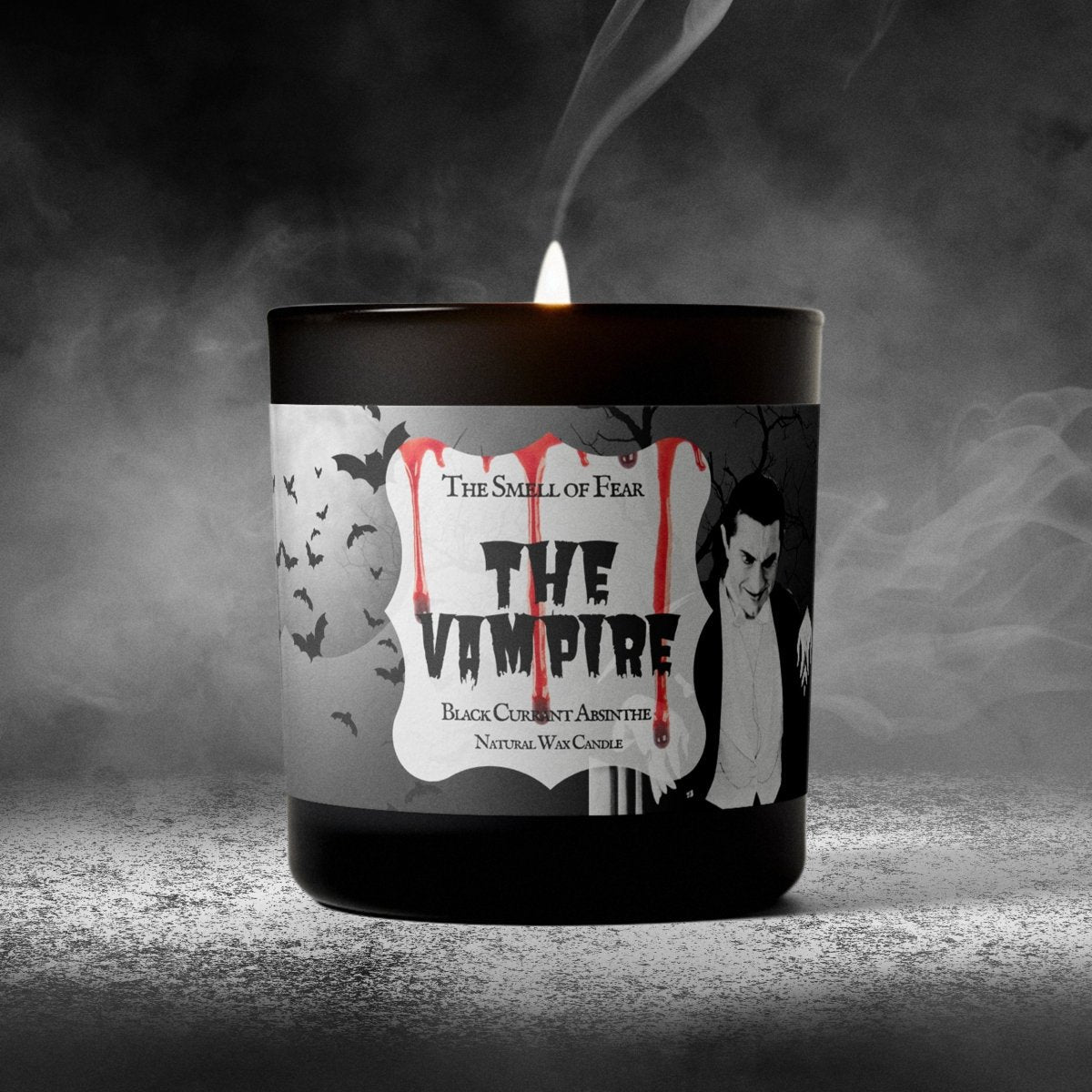
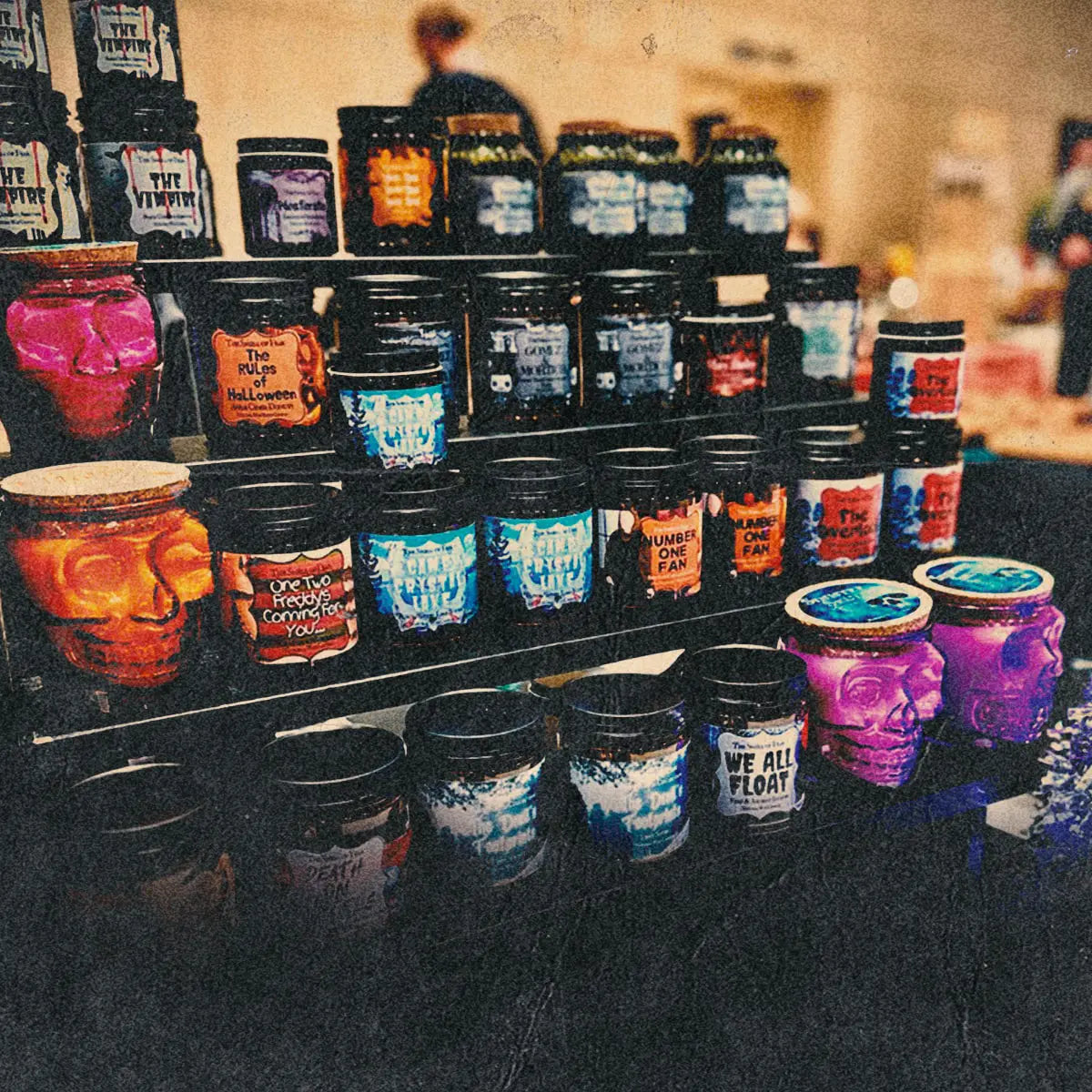
I’m Jillian Walkowiak, lifelong horror fan and founder of The Smell of Fear: a Buffalo-based candle and fragrance studio crafting immersive, horror-inspired scents without the sketchy stuff.
I started TSOF because I wanted candles that felt cinematic and atmospheric without cutting corners on safety or sustainability. Every product we make is designed to be bold, moody, and unforgettable, while still being something I happily burn in my own home.
What Actually Makes a Candle “Non-Toxic”?
The term non-toxic gets thrown around a lot, so let’s break it down, no smoke and mirrors required.
Safe, Thoughtful Ingredients
At its core, a non-toxic candle avoids petroleum-based waxes and unnecessary chemical additives. Instead, it relies on plant-based, responsibly sourced materials that burn cleaner and more predictably.
Why Coconut Wax Is the Superior Choice
This is where coconut wax really shines (pun fully intended).
Coconut wax is widely considered the cleanest, most sustainable candle wax available:
-
Made from renewable coconut meat
-
Burns slower and cleaner than paraffin or straight soy
-
Produces excellent scent throw (so you don’t need heavy fragrance loads)
-
Naturally creamy, smooth, and lower-soot
At The Smell of Fear, my candles are crafted with a premium coconut wax blend, chosen specifically for sustainability, performance, and indoor air quality. During warmer months or high-heat events, I may incorporate ethically sourced beeswax to improve durability without sacrificing cleanliness.
Cleaner Fragrance Oils
Scent matters but how that scent is created matters more.
Non-toxic candles use phthalate-free fragrance oils, which are formulated to avoid compounds commonly associated with respiratory irritation and hormone disruption. Some of the blends I use may contain a bit of pure essential oil, such as lavender or eucalyptus. However please note: if you see candles out there touting "made with pure essential oils" that is likely misinformation, especially if it has excellent scent throw. Essential oils burn off quickly can actually become a fire hazard as many are distilled in alcohol.
Bottom line: you get depth, complexity, and atmosphere without the chemical baggage.
🌿✨ What About Candles with Herbs & Crystals? (The Real Deal)
Herbs and crystals on candles look amazing and feel so Insta-worthy, but before you toss lavender sprigs or quartz chips on a flame, let’s get real about safety and air quality.
Here’s the honest scoop:
-
Burn risks: Loose herbs, wood bits, and crystals can act like tiny fire accelerants once the wax melts. They can spark, pop, or catch flame if they drift into the melted wax pool. That’s a real hazard, especially in homes with pets, kids, or distracted candle-lighters.
-
Soot & particulates: When plant matter burns directly, it can create more soot and tiny airborne particles, which defeats the goal of having a cleaner candle experience. Even if the wax itself is clean, burned plant debris can irritate lungs and trigger sensitivities.
-
Crystal myths vs. reality: Crystals may look beautiful and serve a myriad of metaphysical purposes, but they don’t actually “charge scent” or “cleanse air.” Worse, if they’re left on top of the candle or submerged in the wax pool, they can heat up unevenly, crack, or even shatter. That’s not mood-setting; that’s dangerous.
So what’s a safe alternative?
-
Choose candles where herbs or botanicals are embedded below the wax surface (not loose on top). Still not a great option but if you must have the herbs, this is the way to do it.
-
Go for printed labels, botanical scent profiles, or artwork that captures the aesthetic without physical materials on the wax surface.
-
If texture matters, consider pressed botanicals in the jar walls, but again, not in the melt pool.
At The Smell of Fear, I love creativity, but safety comes first. That’s why my coconut wax blend is always clean-burning and debris-free, giving you all the atmosphere without the unexpected sparks or soot.
Why Non-Toxic Candles Are Worth the Switch
Cleaner Indoor Air
Candles made from coconut wax and beeswax produce less soot and fewer airborne byproducts than paraffin candles. That means better air quality—especially important in enclosed spaces and during colder months.
More Sustainable by Design
Natural waxes are biodegradable, renewable, and far gentler on the environment. Many non-toxic candle brands (including TSOF) also prioritize:
-
Minimal, recyclable packaging
-
Small-batch production
-
Ethical sourcing
Non-Toxic Candle FAQs
What is the safest non-toxic candle?
Beeswax candles are often considered the safest due to their natural composition and air-purifying properties. Coconut wax candles are a close second, and often preferred for scented candles thanks to their clean burn and superior scent throw.
What candles should I avoid?
Avoid paraffin wax candles made with heavy synthetic fragrances, candles that state that they are scented with pure essential oils, and candles topped with with herbs or crystals.
Are soy candles non-toxic?
Soy candles are generally safer than paraffin, but quality matters. Some soy waxes are heavily processed or blended with additives. Many brands, including The Smell of Fear, prefer coconut wax blends (mine does include some pure soy) because it burns cleaner, smells stronger, and has a smaller environmental footprint.
Do non-toxic candles still smell as strong?
Absolutely, when they’re made correctly! High-quality non-toxic candles, especially those made with coconut wax, actually offer better scent throw than many conventional candles. Coconut wax holds fragrance exceptionally well and releases it evenly, meaning you don’t need heavy chemical loads to fill a room. The result is a rich, immersive scent that’s noticeable without being overwhelming or headache-inducing.
Are “clean” candles safe for pets and people with sensitivities?
Non-toxic candles are generally a much better choice for households with pets, kids, or scent sensitivities, but moderation still matters. Clean-burning candles made with plant-based waxes, cotton or wood wicks, and phthalate-free fragrance oils produce fewer irritants than paraffin-based options.
That said, even the cleanest candle should be burned:
-
In a well-ventilated space
-
Away from curious noses, paws, or tails
-
For reasonable burn times (no all-day marathons)
At The Smell of Fear, I design my candles to be low-soot, debris-free, and thoughtfully formulated, because spooky ambiance shouldn’t come with scary side effects.
The Bottom Line
Clean candles shouldn’t be boring and spooky candles shouldn’t be toxic.
At The Smell of Fear, I believe you can have immersive scent, dramatic atmosphere, and peace of mind all at once. My coconut wax blend candles are crafted for people who care about what they burn in their homes, but still want something bold, moody, and unforgettable.
If you’re ready to upgrade your candle game without sacrificing aesthetics, air quality, or ethics, welcome to the darker (and cleaner) side!
👉 Explore more candle education, scent stories, and behind-the-scenes goodness on my Tell-Tale Blog.